May 2023: Stopped by for dinner and ordered the seven hand roll set. The server recommended the pickled wasabi too! I thought everything was very tasty. My favs were the scallops and the toro! I like that they offer a slight twist to the standards. It's weird but they ran out of the Aji special and they ran out of hot tea. We must have come on an off night. About the service and atmosphere . The workers were very polite. Just didn't feel very welcome. It's hard to describe. Our sushi chef was also not engaging... By comparison, on the other side of the room, the chef seemed more friendly. Would I come back again? Not sure if I would. There are other sushi restaurants that I would prefer.
Overview
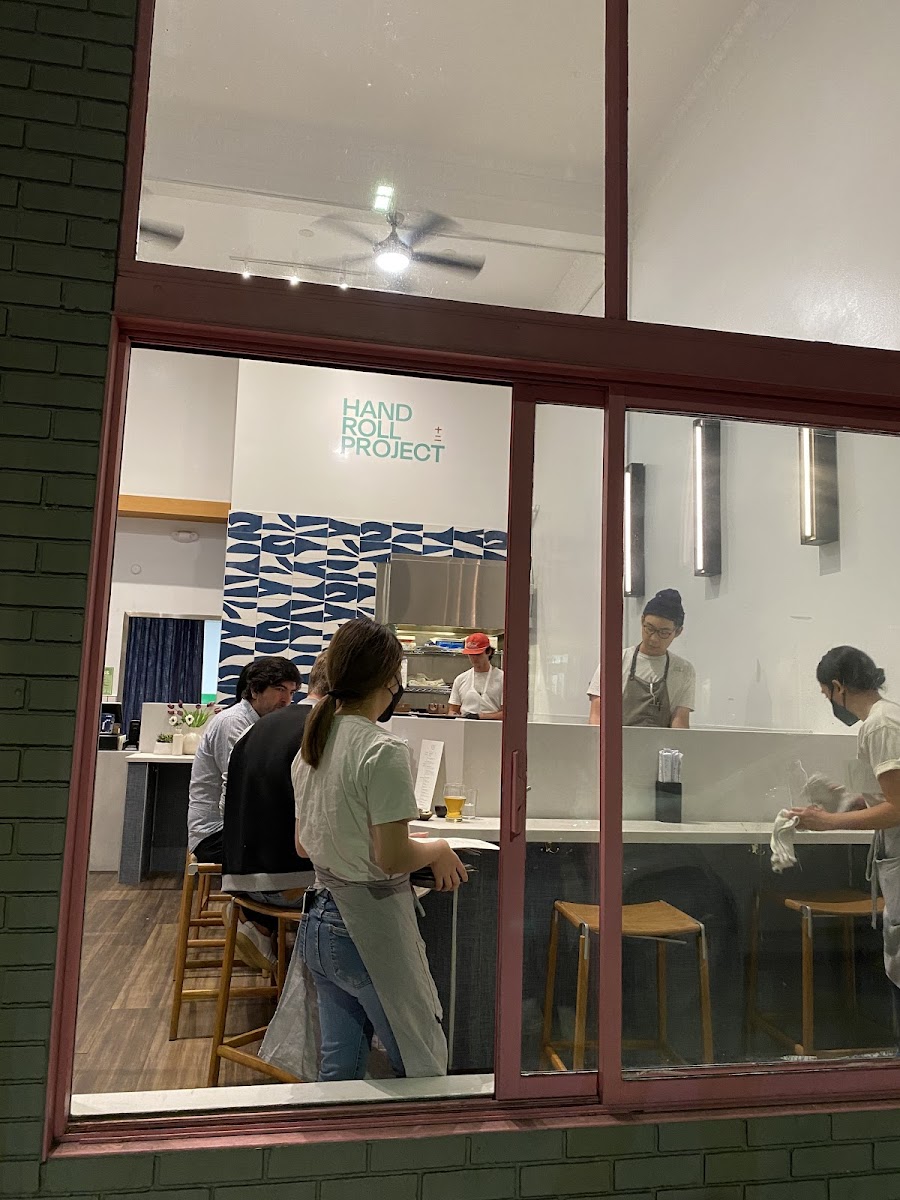
Walking into Handroll Project feels like stepping into a tightly run sushi workshop where every movement has a reason. The counter seating keeps things intimate, and from my first visit, it was clear this place is built around timing, temperature, and texture rather than flashy décor. I’ve eaten hand rolls across California, from quick lunch spots to omakase counters, and this diner-style setup stands out for how seriously it treats a simple format. Located at 598 Guerrero St, San Francisco, CA 94110, United States, it draws a steady mix of locals, chefs on their day off, and people who read reviews before choosing where to eat.
The menu is intentionally focused. Instead of overwhelming you with options, it guides you through a progression of rolls served one by one, each meant to be eaten immediately. That’s not a gimmick. Nori begins to absorb moisture within seconds, which is why Japanese culinary research often stresses immediate consumption for optimal crispness. According to data shared by the Japanese Food Research Laboratories, nori loses its crunch rapidly once exposed to warm rice, and this restaurant designs its service around that reality. Watching the chefs assemble each roll only when you’re ready is part of the experience, and it shows a level of process discipline you don’t always see outside high-end sushi bars.
From personal experience, the toro hand roll is where the kitchen’s sourcing really shines. The fish is cut to order, the rice is lightly seasoned, and the balance is precise. During one visit, I spoke briefly with a server who explained that the rice temperature is monitored constantly to stay close to body temperature, a standard taught in traditional sushi training. That attention aligns with guidelines promoted by organizations like the All Japan Sushi Association, which emphasize rice as the foundation rather than a filler.
Another standout is the scallop roll, finished with just enough citrus to lift the sweetness without masking it. This kind of restraint reflects a broader shift in modern Japanese dining, where minimalism is used to highlight ingredient quality. Culinary studies published by institutions such as the Culinary Institute of America often point out that menus with fewer components allow diners to better perceive freshness and craftsmanship, something this place clearly understands.
The space itself feels casual, but don’t mistake that for lack of expertise. The chefs work with the quiet confidence of people who have repeated these motions thousands of times. I once overheard a regular mention worth the wait, and that sentiment pops up frequently in online reviews. The wait can stretch during peak hours, especially given the limited seating, but the pacing ensures consistency. There’s a practical honesty in that choice, even if it means acknowledging a limitation in capacity.
In terms of locations, this Mission District spot benefits from being surrounded by bakeries, cafés, and bars, making it an easy stop on a food-focused afternoon. It doesn’t try to be a full-service restaurant with sprawling dining rooms. Instead, it leans into a diner-like efficiency while maintaining sushi-bar standards. Health and safety practices also appear solid; proper fish handling and temperature control are visible, aligning with FDA recommendations for raw seafood service.
What keeps me coming back is the feeling that every decision, from menu structure to seating layout, supports the same goal: delivering hand rolls at their peak. Not every diner will love the minimalism or the lack of customization, and that’s fair. If you’re looking for elaborate rolls or heavy sauces, this may not be your place. But for anyone curious about how technique, timing, and ingredient quality intersect, the experience offers a clear, confident expression of what modern hand roll dining can be.
Good to know
Service options
✓ Delivery ✓ Takeaway ✓ Dine-inHighlights
✓ Fast servicePopular for
✓ Dinner ✓ Solo diningAccessibility
✓ Wheelchair-accessible entrance ✓ Wheelchair-accessible seating ✓ Wheelchair-accessible toilet ✓ Wheelchair-accessible car parkOfferings
✓ Alcohol ✓ Beer ✓ Healthy options ✓ Small plates ✓ WineDining options
✓ Dinner ✓ Table serviceAmenities
✓ ToiletAtmosphere
✓ TrendyPlanning
✓ Accepts reservationsPayments
✓ Credit cards ✓ Debit cards ✓ NFC mobile payments ✓ Credit cardsParking
✓ ParkingPhotos
1 / 4
Location
Reviews
- No ratings yet 211 reviews
Delicious rolls plus club music! We tried all 10 rolls except the smoked uni (which we generally dislike), plus the albacore tataki. Good amount of food for two. The best rolls by far were the Chef’s poke, creamy scallop, and toro. The wagyu was great too but value for money-wise we preferred the others. The albacore tataki was our favorite dish overall. Incredible. The fresh wasabi was delicious and plentiful. The club / rap music from the early 2000s was an interesting accompaniment to the meal. Friendly staff. Fast service, we were in and out in 70 minutes.